
The Singular Journal
Ideas Of Place
When Preservation Becomes Design
Giving a building a new life does not always mean transforming it completely. Sometimes design begins by deciding what should change, what should remain, and what deserves to keep telling its story.
For decades, architecture was closely associated with the idea of the new.
Today, there is also a growing appreciation for spaces that allow the passage of time to remain part of their identity.
Preservation does not have to mean freezing a building in the past. It can mean allowing it to evolve without erasing what made it distinctive.
Begin With What Is Already There
Working with a historic building requires observation before intervention.
Its structure, proportions, materials, and traces of previous use all become part of the design process.
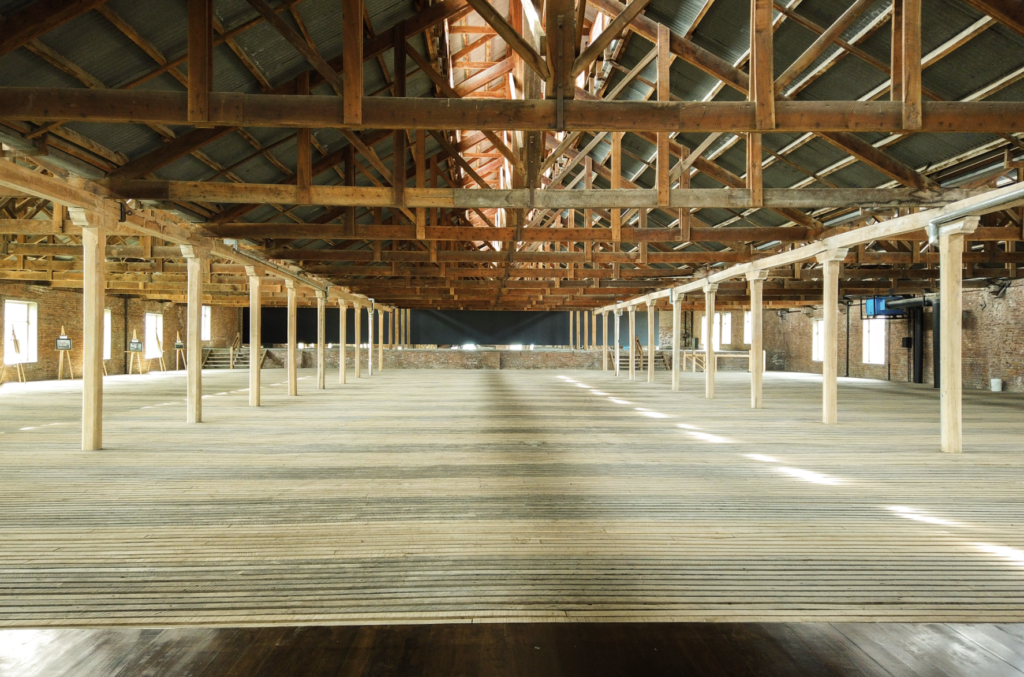
Walls, beams, worn surfaces, or former industrial elements can become part of a contemporary architectural language.
The new does not have to replace what came before. It can enter into conversation with it.
The Value of Traces
Perfection does not always tell the most interesting story.
A weathered surface or an original structure carries information that cannot easily be recreated.
When these marks are preserved, they are not simply decorative. They are evidence that the place had a life before its current one.
Adapt Without Erasing
Preservation does not mean giving up comfort, technology, or contemporary needs.
A building can change function entirely while retaining the elements that reveal where it came from.
Design then becomes a bridge between different moments in time—bringing a space into the present without turning its history into scenery.
Knowing When to Stop
One of the most important design decisions may be recognizing what does not need to change.
Keeping a structure, respecting a proportion, or allowing a material to continue showing its age can be as meaningful as adding something new.
Because preservation is not only about protecting a building.
It is also about keeping its story legible.