
1912
A Family Arrives in Chile
Paul y Berta Sahli llegaron desde Suiza a Chile en 1912. Con ellos comenzó una tradición familiar marcada por la hospitalidad, la atención al detalle y una visión europea del servicio.
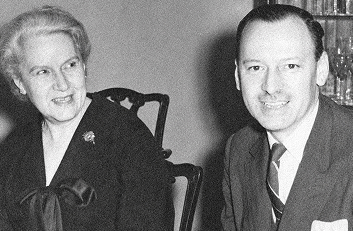
Berta and Paul Sahli.
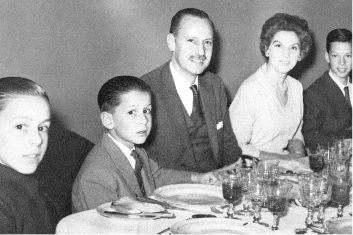
1962, Fernando Sahli Natermann and his wife, Magdalena Cruz, with their sons Felipe, founder of The Singular hotels in Santiago and Patagonia; Juan Carlos and Francisco. SOURCE: ACONCAGUA CULTURAL, JUNE 2020
FUENTE: DIARIO USACH, OCTUBRE 2024.
1917 - 1932
From Residence to Grand Hotel
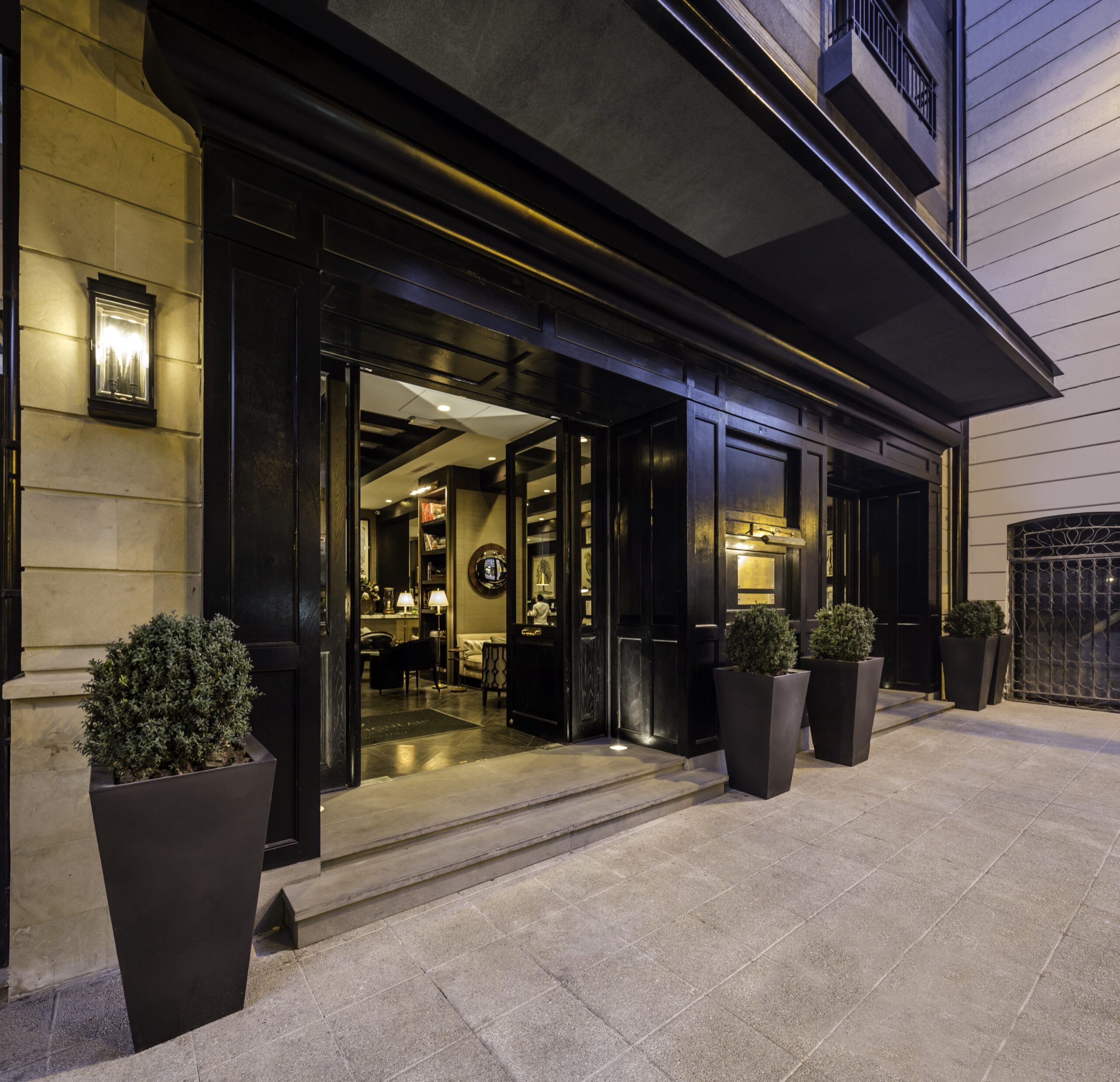
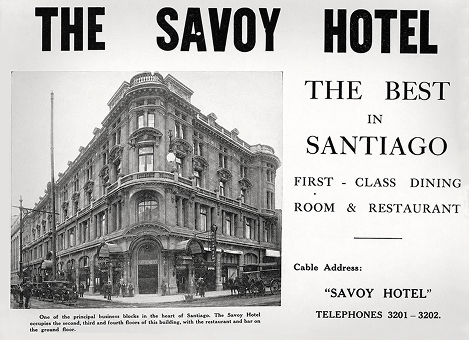
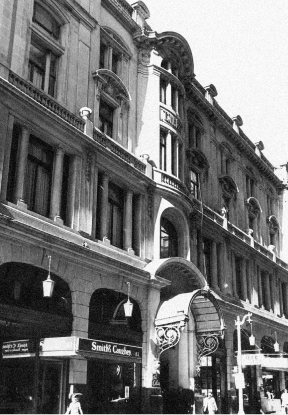
Built between 1917 and 1919 as the residence of the Larraín García-Moreno family, the building featured marble, crystal chandeliers and European furnishings. Years later, it was transformed into one of Santiago’s first grand luxury hotels and, after a brief period as Hotel Savoy, became Hotel Crillón.
THE 1930s
Where Santiago Met the World
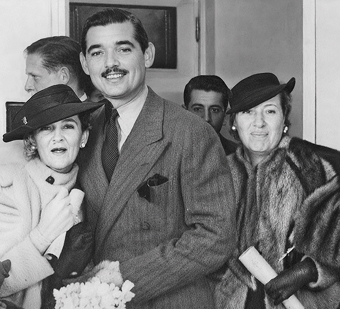
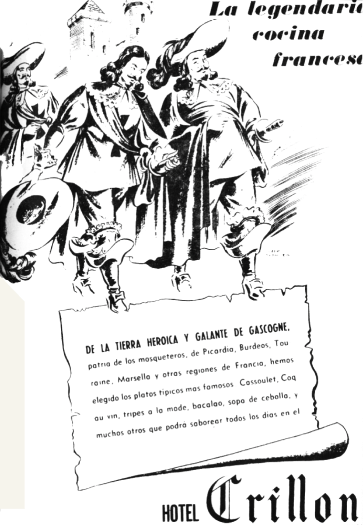
Hotel Crillón was far more than a place to stay. Its tea room, restaurant, bar and grand salons brought together politicians, business leaders, writers, artists and travellers, while international figures such as Clark Gable, Cantinflas and Dwight D. Eisenhower strengthened its reputation beyond Chile.
Clark Gable en Hotel Crillón
FUENTE: ACONCAGUA CULTURAL, JUNIO 2020
People did not go to the Crillón simply to dine or sleep; they went there to belong to Santiago.
FUENTE: MEMORIACHILENA.CL
1951
A Culinary Legacy
Gastronomy was one of Hotel Crillón’s defining pillars. In 1951, the hotel published Famous Recipes, preserving the culinary tradition that made its restaurant a Santiago institution.
FUENTE: MEMORIACHILENA.CL
1960 - 1970
Reinventing Tradition
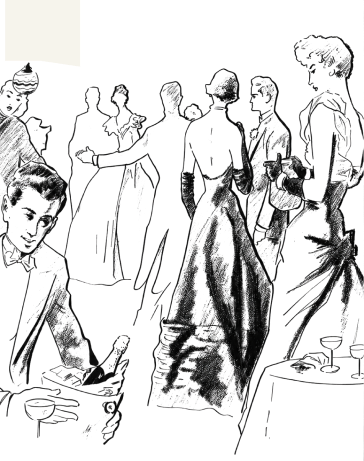
The family renewed the hotel’s offering through weddings, fashion shows, live piano music and social events, adapting its legacy to a changing city.
1960
Hotel Crillón Under the Sahli Family
Fernando and Pablo Sahli, together with their mother Berta Natermann, took over the operation of Hotel Crillón and began a new chapter in its history.
FUENTE: MEMORIACHILENA.CL
LATE 1960s
The End of an Era
Hotel Crillón closed its doors, but its legacy remained within the family: the art of welcoming, the importance of gastronomy and the belief that a hotel should belong to its city.
That legacy did not close with the hotel. It remained within the family, waiting for the moment to flourish once again.
2011
The Legacy Finds a New Landscape
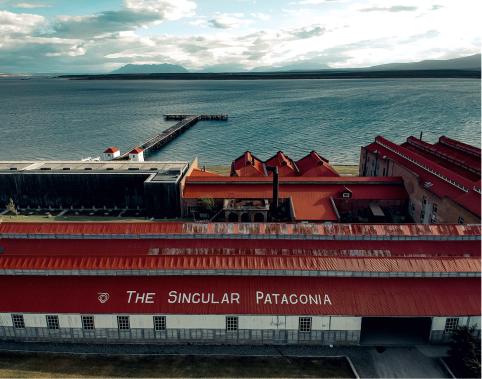
The family tradition found a new expression in The Singular Patagonia, restoring the former Puerto Bories industrial complex to unite history, place and hospitality.
2014
A Return to Santiago, in Lastarria
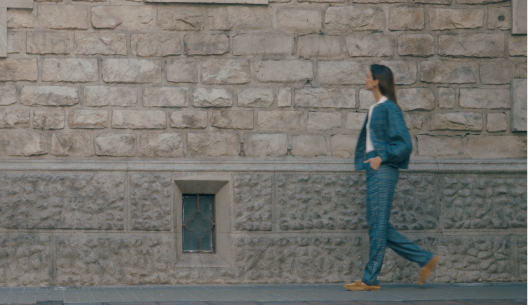
More than three decades later, the family tradition returned to the capital with The Singular Santiago. Lastarria was chosen for its history, architecture and cultural life—a neighbourhood where the hotel could become part of the city and open a gateway to a Santiago best discovered on foot.
TODAY
Not to Recreate the Past, but to Continue It
Hotel Crillón and The Singular Santiago belong to different eras, yet share the same understanding of hospitality: personal attention, restraint, belonging and connection to the city.
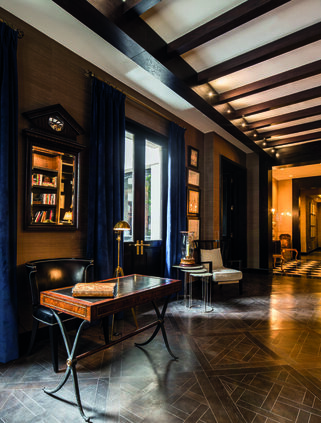
I did not want to recreate the past, but to continue it.