1557
The Origin of Última Esperanza
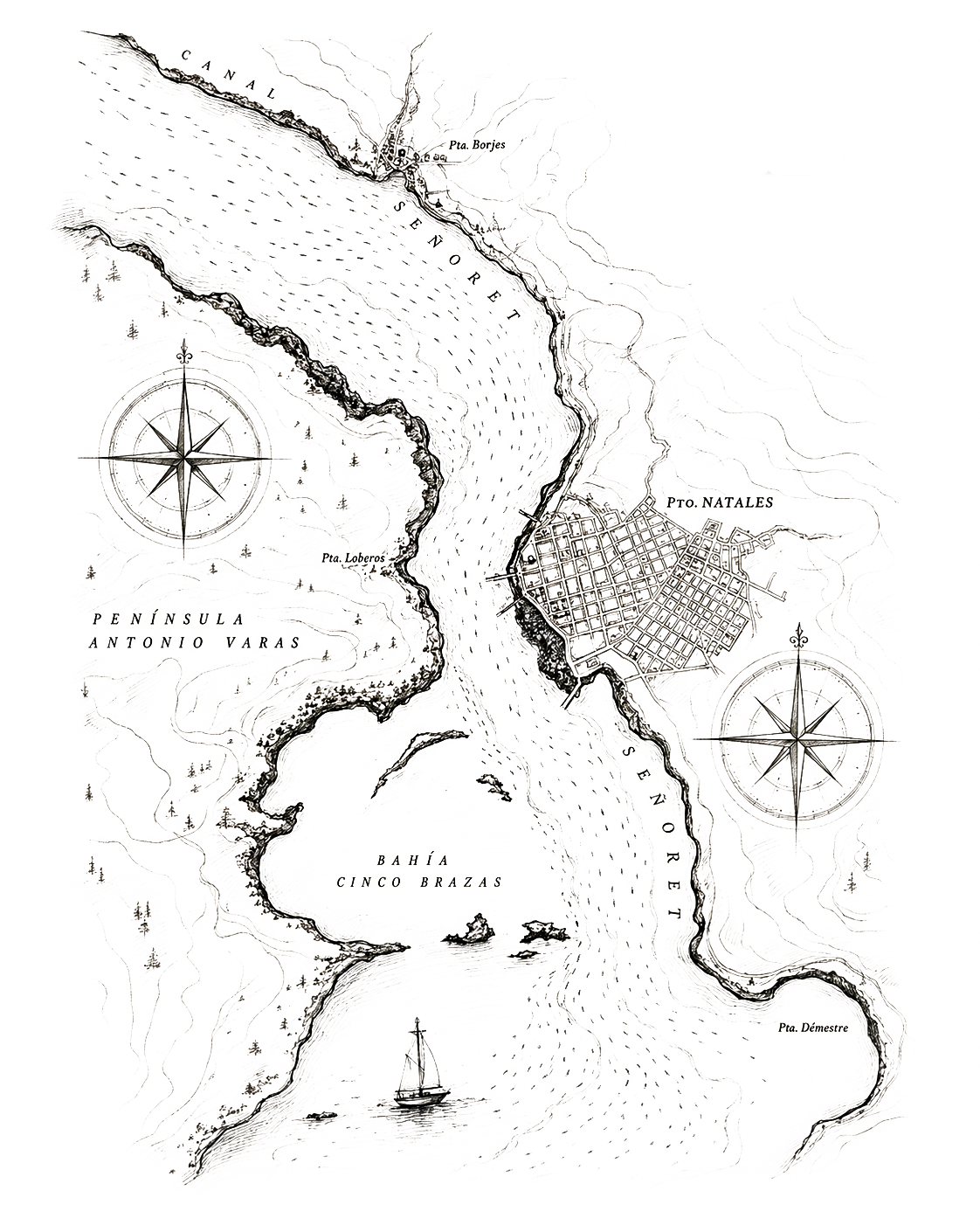
Juan Ladrillero navigated the fjord where the hotel stands today and named it Última Esperanza. Since then, the name has remained inseparable from the landscape and history of this region.
1896
The First Buildings of Puerto Bories
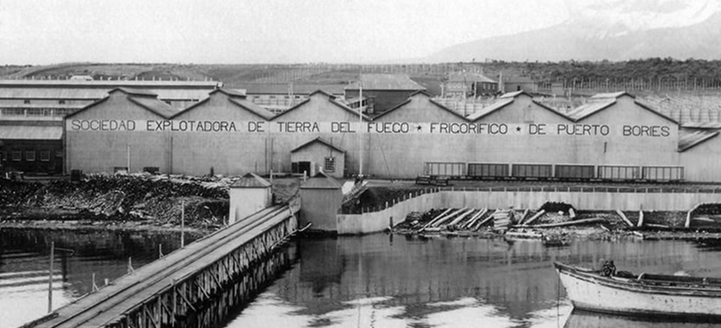
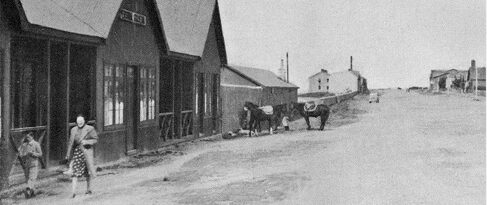
Rodolfo Stubenrauch built warehouses, a sawmill, housing and a pier, marking the dawn of the industrial history on the site that is now home to The Singular Patagonia.
1911
The Birth of Puerto Natales
The rapid growth of Puerto Bories drove settlement throughout Última Esperanza. Founded in 1911, the town of Puerto Natales developed in close connection with the industrial complex.
1915
Puerto Bories Begins Operations
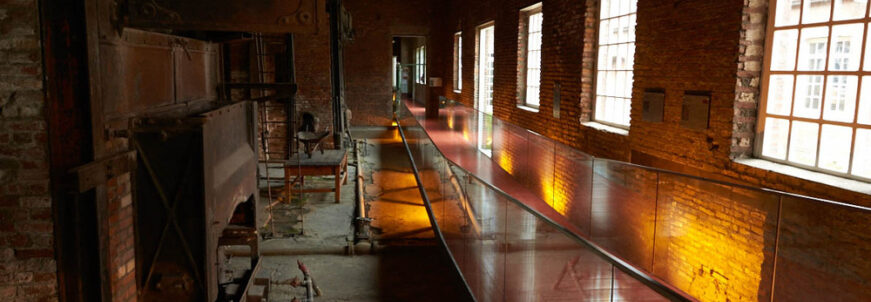
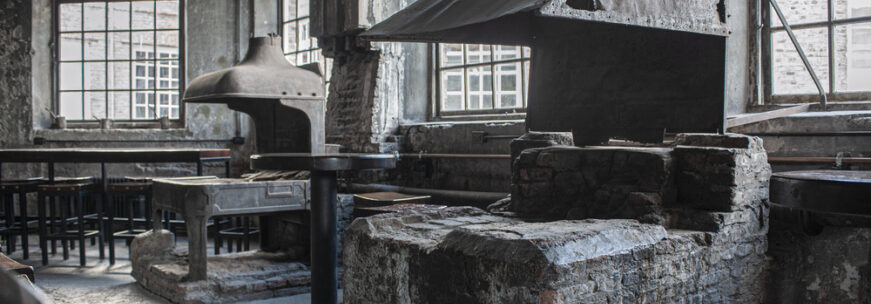
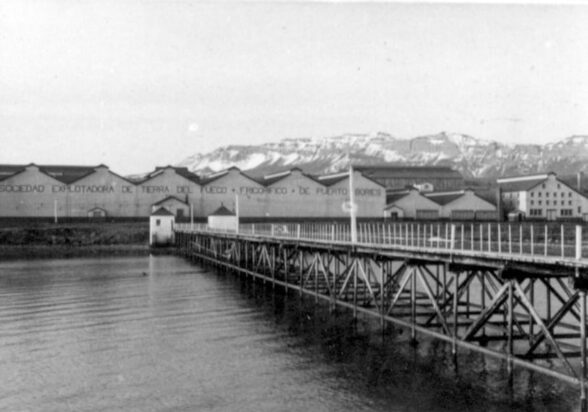
Puerto Bories began operating as one of Patagonia’s most advanced industrial complexes. Its brick halls, workshops, pier and machinery still shape the character of the hotel today.
1910s - 1970s
A Community Built Around Bories
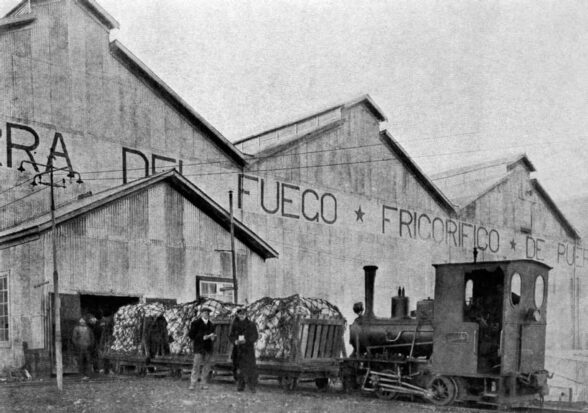
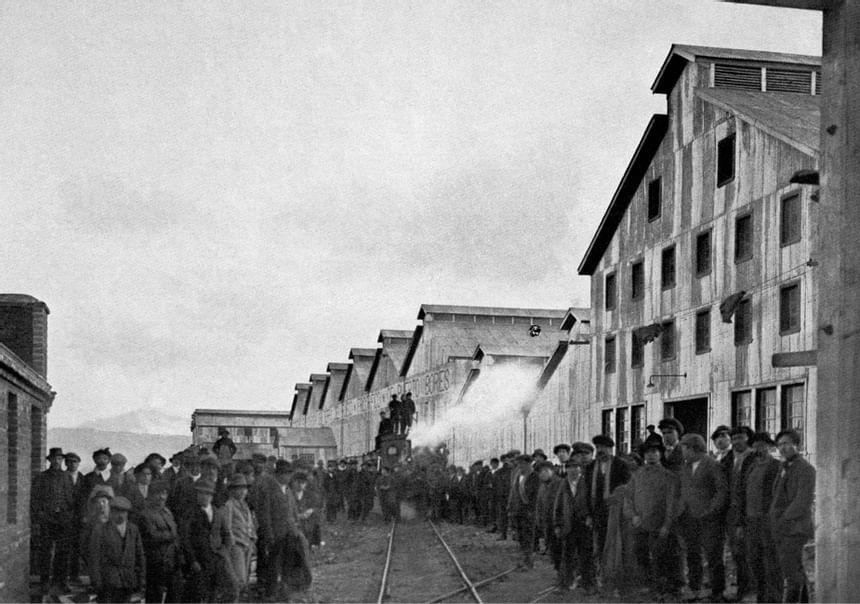
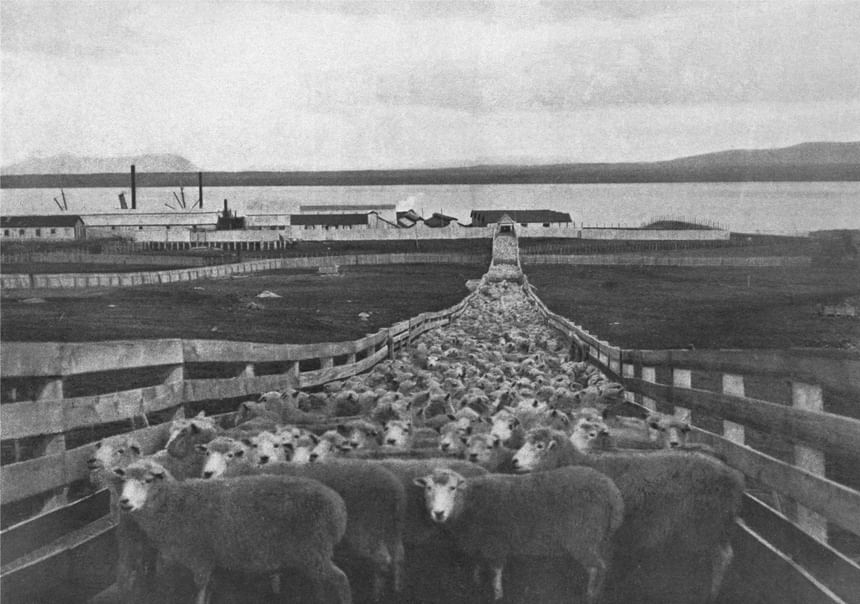
For nearly seven decades, families and workers of every trade brought Puerto Bories to life. Its homes, workshops, and locomotives became an essential part of Última Esperanza’s history.
Late 20th Century
THE Silence After Industry
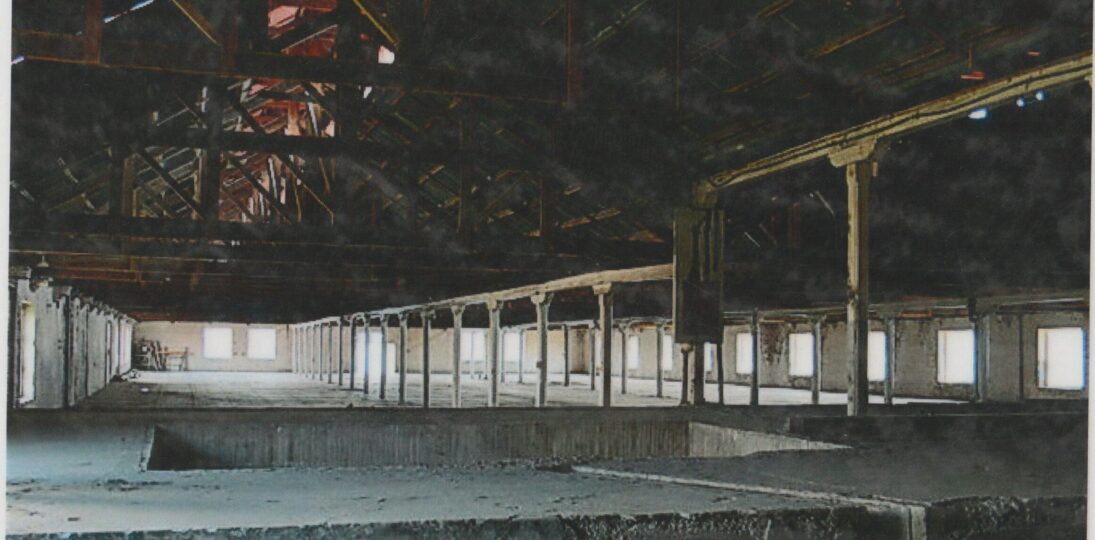
After operations ceased, the buildings and machinery stood as silent witnesses to a defining era in the region’s history. Puerto Bories entered a long period of abandonment and neglect.
1996
A Legacy Worth Preserving
Puerto Bories was declared a National Historic Monument in recognition of its architectural, industrial and social value, safeguarding one of the most vital testaments to Patagonian history.
1998–1999
The Recovery of Puerto Bories Begins
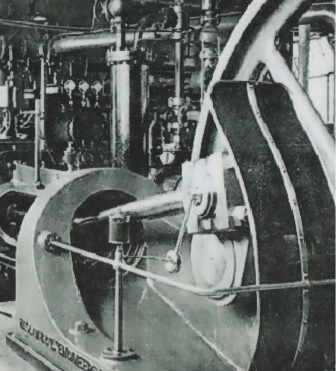
After years of neglect, a dedicated heritage restoration project began to rescue the complex, its materials, and its industrial relics without erasing the marks left by time.
1999–2011
Restoring Without Erasing the Past
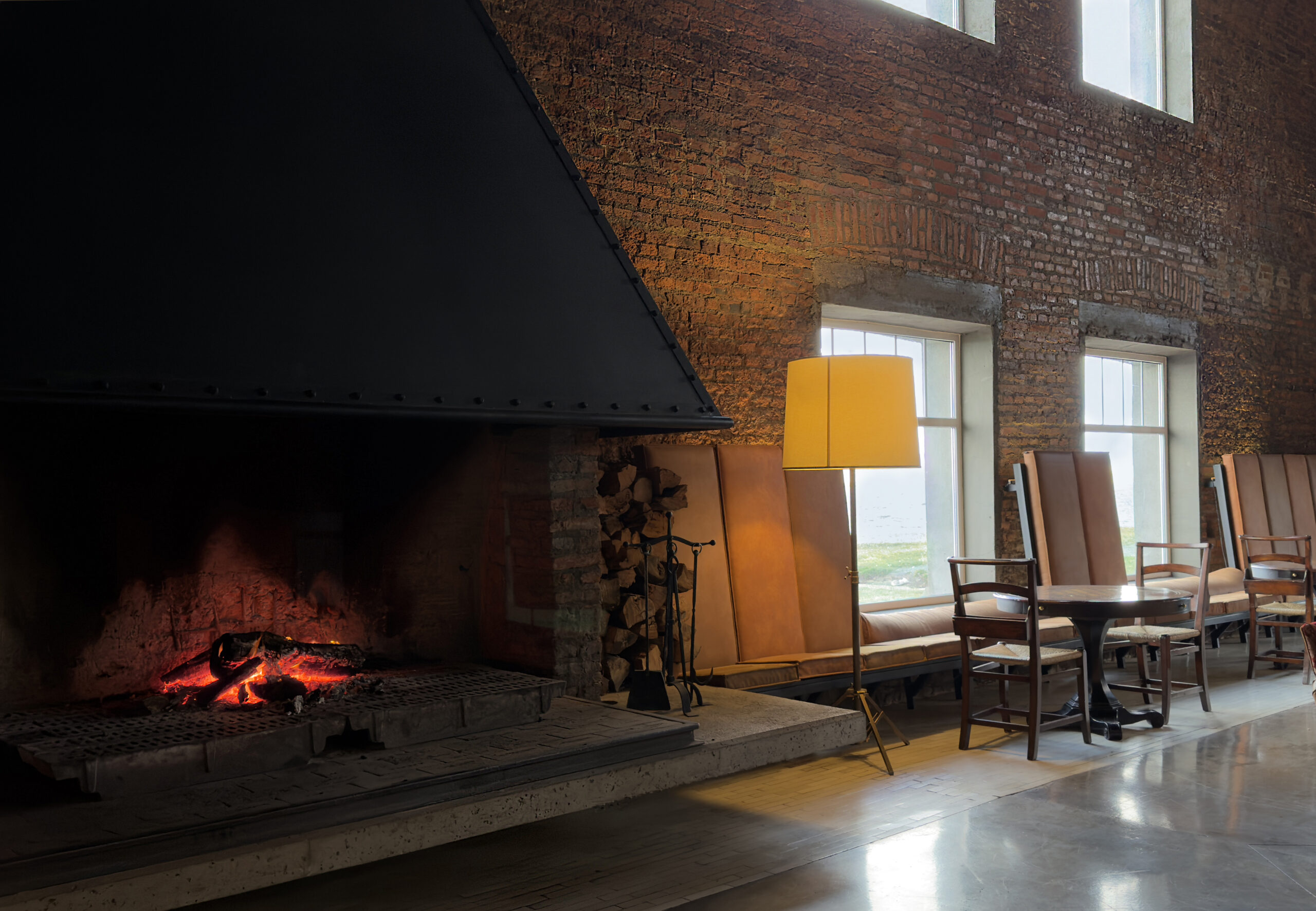
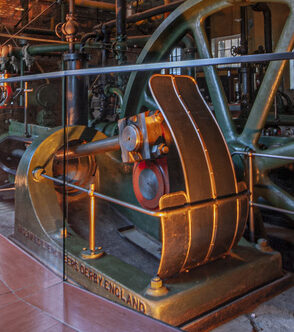
Pedro Kovacic led a heritage restoration in which the site's rich history guided every architectural decision. Enrique Concha & Co directed the interior architecture and design, subtly integrating contemporary spaces within the original walls, materials, and machinery.
2011–Present
A Living Heritage
In December 2011, The Singular Patagonia opened within the historic grounds of thePuerto Bories. Its original walls, machinery, smokestacks, and spaces now coexist seamlessly with refined hospitality, gastronomy, and daily life at the hotel.